Your Website is not a Research Repository. It’s a Staging Area.
A website is the digital beating heart of a think tank. It serves several purposes: a fundraising tool, a publishing platform, and a reference hub for decision-makers, industry experts, and the media.
While it’s tempting to focus on branding and visuals, a better approach is to view your website as the core of your organization’s digital strategy to maximize impact.
This post will help you think about how to make your website a dynamic, easy-to-manage hub that amplifies and leverages your research rather than turning it into a dusty repository.

Planning Your Think Tank Website
Selecting a platform
The first thing to consider is the platform. There are several factors to balance. How much will you publish, in what format, and at what cadence? Do you have an in-house IT team that will manage everything, including hosting and updates? Or will everyone in the organization, from the founder to interns, be responsible for keeping your online presence updated? What tradeoffs can or should you make between ease of use and functionality?
Publishing a ton of research isn’t very helpful if getting it live on the website is a painful headache or a bottleneck because only one or two people on the team know how to publish it to the site.
You’ll also need to do some high-level thinking about your comms plan. If you have a mailing list, what tool will you use to send out updates? Is it compatible with your website platform?
Audience & Messaging
Who is the website for? As mentioned at the start, your likely audiences include funders, industry experts, media and journalists, and decision-makers, each with distinct needs: funders want impact stories, industry experts focus on technical depth and process, decision-makers value concise recommendations, and media seek accessible, quotable findings. Your headlines, sub-headlines, and website text need to address and resonate with each of these specific profiles.
User Experience
Sometimes you can’t speak to every profile with one voice. For example, industry jargon might be indecipherable to a journalist, while industry experts may prioritize process details that funders care less about. In these cases, design the user experience (navigation, information architecture, layout, and calls to action) to identify and route each distinct audience—funders, experts, media, or decision-makers—to content most relevant to them.
Visuals and Branding
Your visuals and branding need to do two things: look professional and reflect your mission. You don’t necessarily need to spend 50k on a brand. But if your primary online presence looks poorly thought out, or gives off a generic — or worse, DIY vibe, your credibility takes a hit.
Color, typography, layout, and imagery all send signals. An organization focused on energy transition needs to be distinguishable from one focused on geopolitics or defense strategy.

As Paul Rand said, “Design is the Silent Ambassador of your Brand”. Your brand, according to branding legend Marty Neumeier, is nothing more than “A person’s ‘gut feeling’ about a product, service, or company”.
In other words, the look and feel of your online presence shapes the first critical impressions the audience forms of your organization. You want to make sure those ‘gut feelings’ are positive and engender respect.
Ongoing Management
Your website isn’t something to set and forget. As the hub for your research, events, jobs, and projects, it must stay up to date.
Depending on the size of your institution, this may be a dedicated person or a task assigned to a rotating cast of interns, students, or fellows.
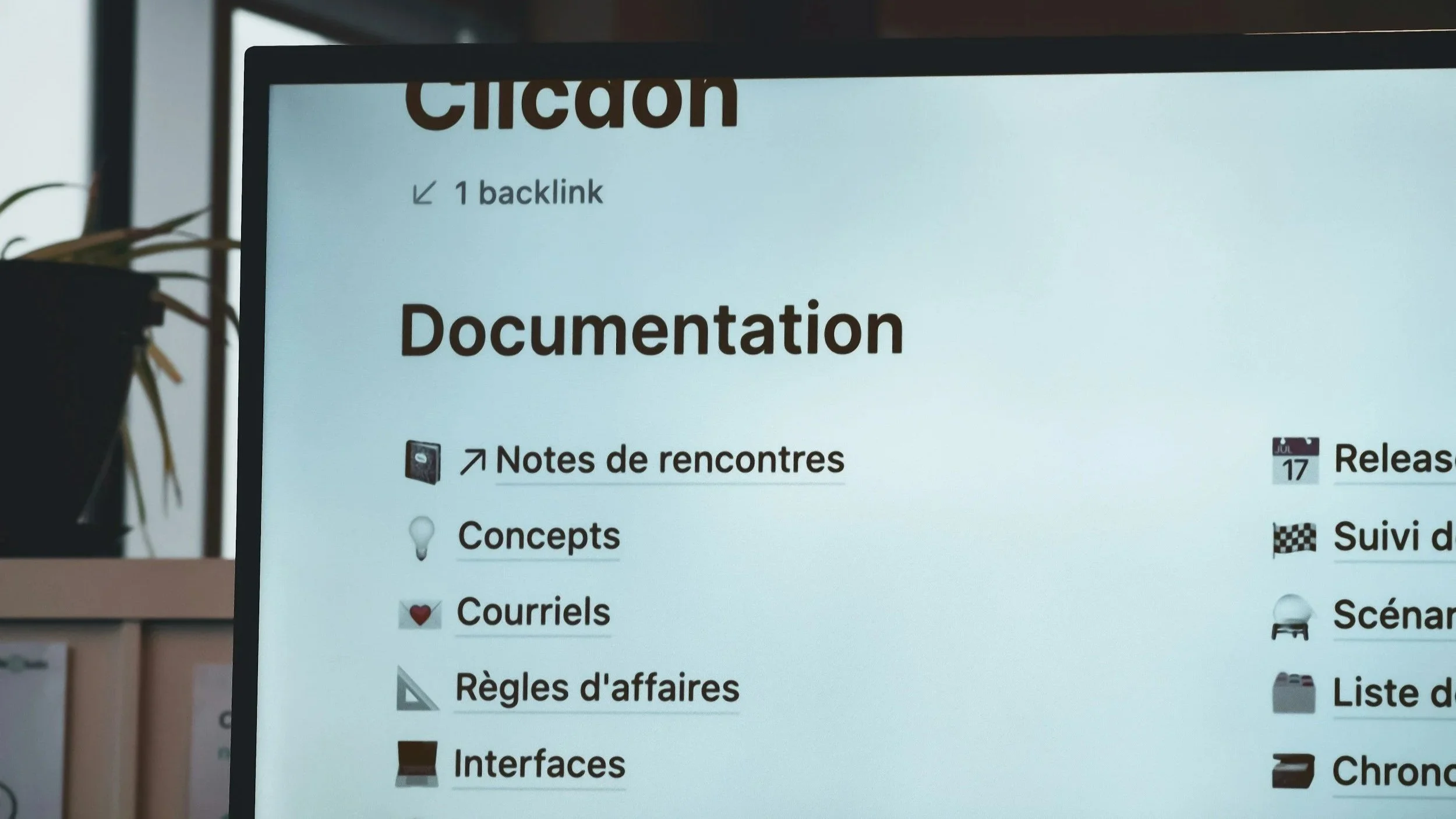
If the latter is the case, your site will whither and die without SOPs (Standard Operating Procedures). These are easy-to-follow, task-based, documented instructions for updating and managing the site. A solid set of SOPs enables anyone in your organization to keep your website alive and up to date.
Maximizing Output
All of your output, whether it’s a policy paper or a published OpEd needs to be measured against three dimensions: its message (so what?), it’s audience (who cares?), and it’s ‘job(s)’ (influence policy makers, change public opinion, persuade funders)
Publishing on the site is the first step. What other ways can you leverage a policy paper? Can you extract and share graphs? Record a short conversation about it and turn it into a podcast? Convert that podcast into short-form clips?
How you decide to remix an output depends on its intended audience and its job. Regardless, you’ll need to consider both how these remixes live on the site and how you’ll distribute them.

Distribution
The content on your site should function as an asset to be deployed at the right moment on the right channel. Sometimes this simply means responding with a link to a journalist's tweet; other times, it's sharing a project page with a peer at a conference.
Some tools let you broadcast content from your site for basic ‘lights are on, somebody’s home’ visibility. Others help you ‘listen’ for advantageous moments in the news cycle so you can get an insight into the collective bloodstream at the right time.
To put your online comms strategy into practice, take time now to review your website plans against your communication goals. Think about next steps and assign clear ownership so your digital presence functions as more than just a calling card or legitimizing qualifier, but also actively supports your mission.
Summing Up
Building an effective think tank website is an ongoing process, not a one-time project. By being intentional about your audience, purpose, and regular updates, your site becomes a powerful tool for amplifying your ideas, engaging your audiences, and advancing your mission. Invest time in revisiting your strategy and site management routines regularly. Treat your digital presence as a tool that not only showcases your organization’s work, thought leadership, and expertise, but also works 24/7 to maximize your organization’s impact.
Launching a new website or refreshing your organization’s existing one? Use the button below for a no-pressure free consult.